Rates at a 15-year high: what the RBA's latest move means for you
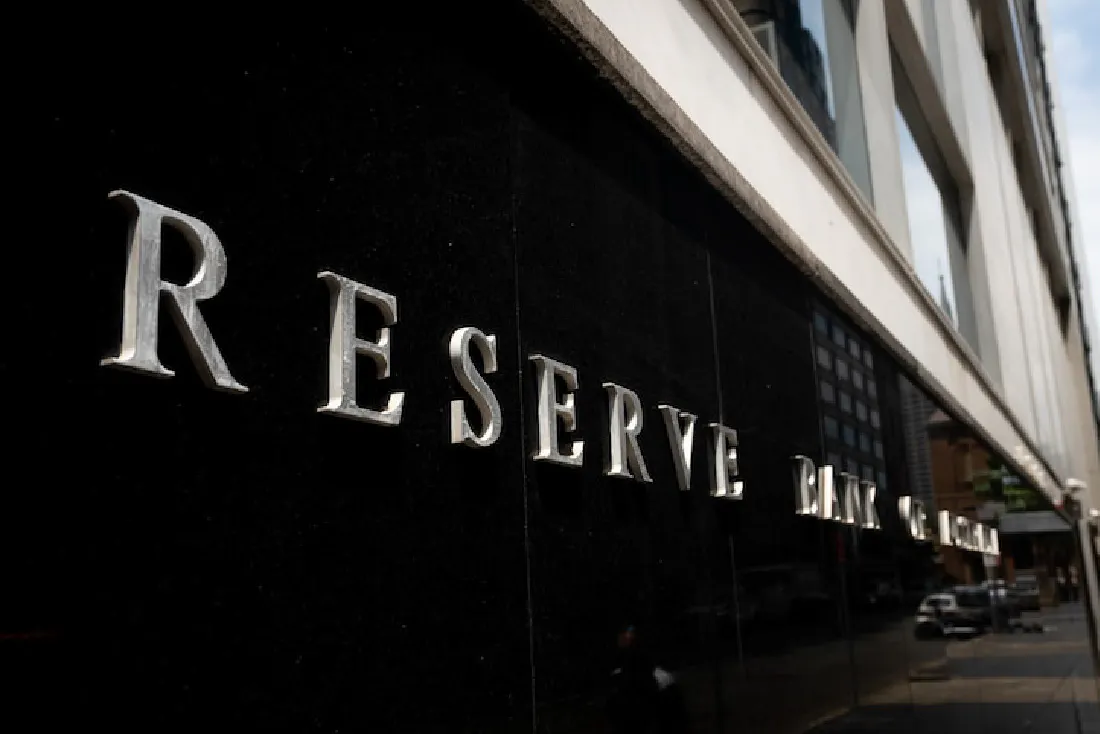
The Reserve Bank of Australia has lifted the cash rate by 0.25 percentage points to 4.6%. It is the fourth increase this year and takes rates to their highest level in 15 years. Among the world's advanced economies, only Iceland now has a higher central bank rate. Australia is well above the United States (4.00%), the United Kingdom (3.75%) and New Zealand (2.75%).
Why the RBA acted
The Bank's concern is inflation that won't settle. Underlying inflation is running at 3.6%, above the RBA's 2 to 3% target band. It has been above the midpoint of that band for more than four years. Higher petrol prices linked to the conflict in the Middle East have added pressure. Many economists are currently also pointing to government spending, now at its highest share of GDP in almost four decades outside the pandemic, as a factor making the RBA's job harder however this is presently being disputed by the government.
The decision comes as unemployment is rising, house prices are falling and growth is sluggish. Governor Michele Bullock has indicated that unemployment may need to rise from 4.6 % to around 5 % to bring inflation under control. This suggests the Bank is prepared to accept a weaker economy to get prices back on track. Several economists expect another rise at the RBA's November meeting.
Economic implications
For households with a mortgage, each 0.25% rise adds roughly $100 a month to repayments on a $600,000 loan. The exact amount depends on your current rate and loan term. Higher repayments leave less money for other spending, so retailers, hospitality and other discretionary businesses are likely to feel the pressure. Borrowing capacity also shrinks, which is likely to weigh further on property prices. Savers are the main winners, with deposit and term deposit rates likely to edge higher, although anyone who has looked at saving account interest rates from banks in recent years know they haven’t been as generous as they once were.
Financial market implications
Shares: Higher rates tend to weigh on sectors sensitive to borrowing costs and consumer spending. These include property trusts, consumer discretionary stocks and growth companies whose valuations depend on earnings well into the future. Banks may benefit from wider lending margins, but that could be offset if more borrowers fall behind on repayments.
Bonds: Short-term bond yields generally rise when markets expect more hikes, and this lowers the value of existing bonds. For new investors, however, today's higher yields offer more attractive income than has been available for much of the past decade.
The Australian dollar: Our interest rates are now well above most major economies, which can support the dollar. A stronger dollar makes overseas holidays and imports cheaper, but it reduces the value of international investments when converted back into Australian dollars.
What this means for your portfolio
Periods of rising rates reward discipline more than reaction. Now is a good time to:
- Check that your cash buffer is enough to cover higher repayments or unexpected costs.
- Make sure you’re still feeling confident that your Risk Profile and associated investment mix matches your goals and timeframe, rather than short-term headlines.
- Review whether your debt structure, including any fixed or variable split, still suits you. We can introduce you to our mortgage broker Loren Marsh if you don’t have an existing broker relationship - loren.marsh@ledgersmith.com.au
- If you are still working and have business loans, these will generally be fixed rate so unlikely affected by today’s announcement, but if you would still like to have them reviewed we can introduce you to our finance lender, Anthony Rahme - anthony.rahme@ledgersmith.com.au
If you'd like to discuss how these changes affect your situation, please contact us.
This article contains general information only and does not take into account your personal objectives, financial situation or needs. Please seek personal advice before making any financial decisions.